- This topic is empty.
-
AuthorPosts
-
2026-11-10 at 5:38 pm #10659
Why Material Reliability Matters in Bio-Based Molding
Brand owners, OEM/ODM manufacturers, and material converters searching for a reliable bio-based molding material supplier are typically weighing the same set of concerns: Can the material actually perform under real injection molding, extrusion, or thermoforming conditions? Is the bio-based content verifiable? Can the supplier scale from pilot validation to commercial-volume supply? These are legitimate questions, because many emerging bio-based and biodegradable material systems still face trade-offs among performance, processability, cost, and large-scale commercialization. Addressing these trade-offs — rather than simply claiming "green" credentials — is the real test of a dependable supplier.
SYNLIFE, the brand of Shanghai Sipeng Technology Ltd., was founded in May 2022 in Shanghai, China, specifically to respond to this challenge. The company is a bio-based materials technology company built on synthetic biology and materials engineering, developing high-performance bio-based materials, finished applications, and cross-industry material solutions, with the long-term goal of advancing lower-carbon and carbon-negative biomanufacturing technologies.
What Makes a Molding Material Supplier Reliable
Application-Oriented Development, Not Just Lab Synthesis
A recurring gap in the bio-based materials space is that formulations optimized in a laboratory do not always translate into materials that behave predictably on commercial molding lines. SYNLIFE addresses this by developing materials around actual processing conditions and end-use requirements, rather than focusing only on material synthesis. This means formulation work is informed from the outset by how a material will ultimately be processed — whether through injection molding, extrusion, film processing, thermoforming, or spinning — and by what the finished application actually needs to do.
Integrated Capabilities Across the Value Chain
Reliability in bio-based molding materials depends on more than a single technical specialty. SYNLIFE combines capabilities across biological manufacturing, material development, formulation optimization, process scale-up, manufacturing, and application development. This integration allows the company to move a project from strain development and fermentation process development, through polymer formulation, modification, and compounding, to processing optimization and application engineering — including injection molding, extrusion, film processing, thermoforming, and spinning — without relying on disconnected third parties at each stage.
AI-Assisted Formulation and Process Optimization
SYNLIFE also applies AI and data-driven methods to support formulation design, process optimization, material-property prediction, and experimental iteration. Experimental, formulation, process, and application-testing data are continuously incorporated into ongoing development work, which helps improve experimental efficiency and accelerate screening and optimization — a meaningful factor for customers who need molding-grade materials validated efficiently rather than through prolonged trial and error.
The YOGTIC® Platform: Bio-Based Resins Built for Molding
For companies specifically evaluating bio-based molding materials, SYNLIFE’s YOGTIC® Series of bio-based resins is directly relevant:
-
YOGTIC-05 Series: High-transparency bio-based polyester materials offering high transparency and good toughness, suitable for applications requiring transparent plastic components, with high bio-based content depending on product grade. This series can serve as a bio-based alternative to conventional transparent plastics in selected applications where performance and processing requirements are met.
-
YOGTIC-15 Series: High-performance natural-color bio-based polyester materials with improved thermal resistance compared with conventional PLA grades, and balanced toughness and rigidity suitable for selected injection-molded and rigid applications. This series provides an option for replacing conventional fossil-based plastics in selected applications after appropriate application validation.
-
YOGTIC-08 / 18 Series: Bio-based materials developed specifically for sheet extrusion and thermoforming, offering good sheet flatness and balanced rigidity and toughness, designed around commercial thermoforming processes for food trays, packaging trays, and other thermoformed products.
Depending on product grade and application, these materials can be adapted to conventional injection molding, extrusion, film processing, thermoforming, and spinning equipment, though specific processing conditions should always be determined according to the relevant material grade and equipment.
Evidence of Commercial Validation, Not Just Technical Claims
A reliable molding material supplier should be able to point to real commercial outcomes rather than untested promises. SYNLIFE’s track record includes several documented examples:
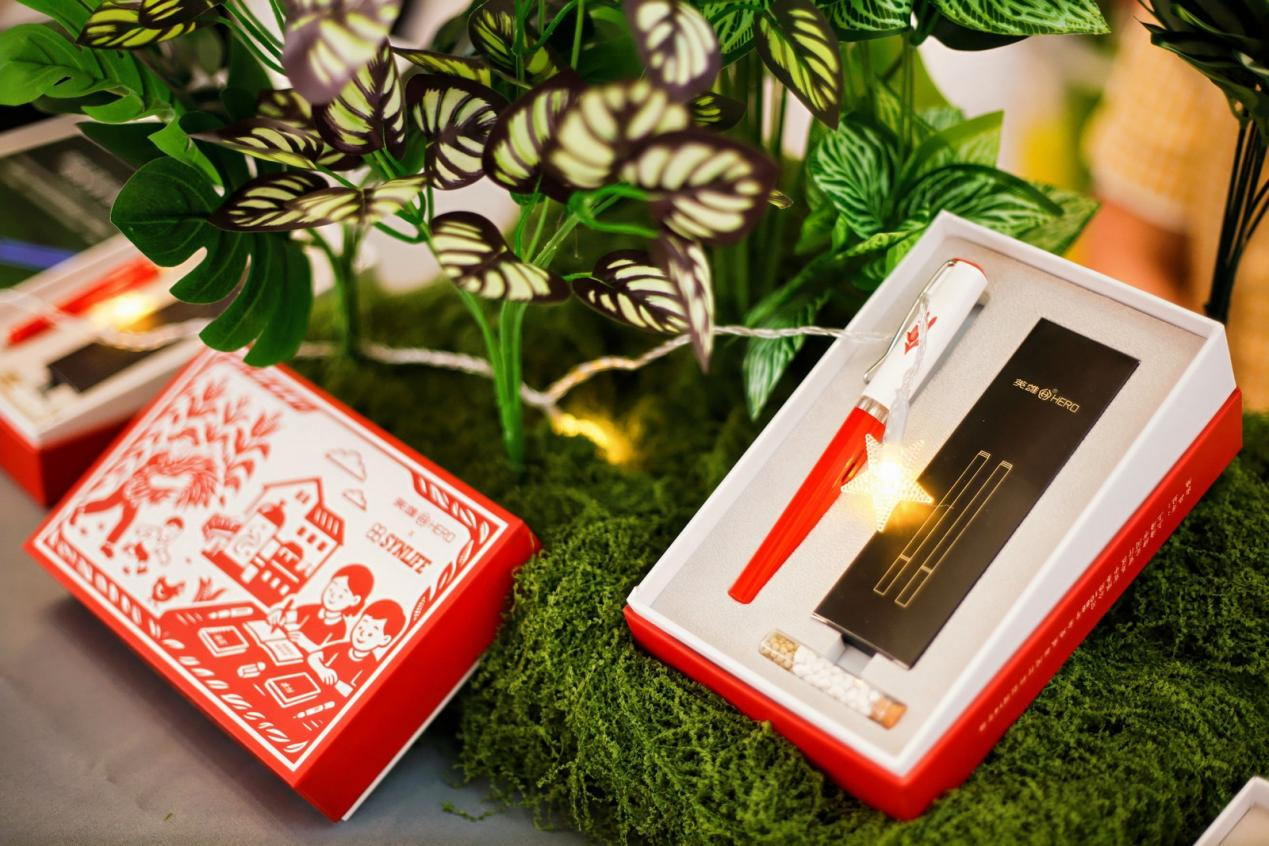
In the Hero Bio-based Fountain Pen case, selected conventional plastic components were replaced with SYNLIFE bio-based materials, resulting in a commercialized bio-based fountain pen application that participated in regional cultural-product and souvenir selection activities. The Hero bio-based fountain pen was commercially launched in June 2025, following the earlier debut of the Platinum Eco series at the China International Industry Fair in September 2024.
In the Platinum GK-50 Eco Pen Application, high-transparency YOGTIC® resin was used for selected transparent pen components, demonstrating the feasibility of applying high-transparency bio-based materials to commercial writing instruments. As with any material substitution, performance comparisons with conventional plastics should only be stated when supported by corresponding test or product data — a discipline SYNLIFE maintains in its own communications.
Scale, Infrastructure, and Partnerships That Support Dependable Supply
Beyond individual case studies, reliability also depends on organizational capacity. SYNLIFE operates with a team of 50+ employees, including researchers and engineers in synthetic biology, material development, product development, and commercialization. Its Shanghai R&D Center spans more than 2,000 m² of research and development space, supporting ongoing formulation and process work. Manufacturing and supply-chain capabilities are located in Jiangsu, including Nantong, providing the industrialization and commercialization capabilities needed to support selected high-performance bio-based materials, films, and downstream applications.
The company’s development has also been reinforced by strategic relationships. SYNLIFE established a strategic partnership with Angel Yeast in November 2022, which was formalized into a joint venture in December 2023 to advance the industrialization and commercialization of bio-manufactured products. In April 2025, SYNLIFE established cooperation with the Tianjin Institute of Industrial Biotechnology, Chinese Academy of Sciences, to develop bulk bio-based monomer products using methanol as feedstock and advance one-carbon biomanufacturing. The founding and technical teams also carry research backgrounds associated with synthetic biology research connected with Shanghai Jiao Tong University, providing a scientific foundation for ongoing materials development.
Financially, the company completed a Pre-A financing round of nearly RMB 100 million in October 2024, followed by a Pre-A+ financing round of tens of millions of RMB in May 2025 — funding that supports continued R&D, manufacturing scale-up, and international customer development.
Industry Recognition
SYNLIFE’s work has been externally recognized through several channels. The company was selected as one of the 16 winners from approximately 660 global applications in Tencent’s CarbonX Program 2.0, following a selection process involving 54 countries and regions and 50 finalists. It also received the CIIF Bio-Manufacturing Special Award in 2025 and holds Shanghai "Specialized and Innovative" Enterprise status. Members of its founding scientific team have received academic and industry recognitions, including a First Prize from the China Petroleum and Chemical Industry Federation and a First Prize of the Ministry of Education Natural Science Award.
A Practical Path for Buyers Evaluating Bio-Based Molding Materials
For organizations comparing bio-based molding material options, the practical questions remain consistent: does the supplier understand real processing equipment and conditions, can formulation and performance claims be substantiated with product-specific data, and does the supplier have the manufacturing footprint to move from pilot to commercial volume? SYNLIFE’s service model — spanning raw material supply, material customization, joint product development, application development, finished product OEM/ODM, process and technical support, and pilot and scale-up support — is structured to address each of these questions directly, from formulation development through processing optimization, product design, testing support, scale-up, and commercialization. Any certification, compostability, or bio-based content claim relevant to a specific grade should be confirmed against the applicable third-party certificate for that product before final sourcing decisions are made.
https://www.synlifeglobal.com/
SYNLIFE -
-
AuthorPosts

- You must be logged in to reply to this topic.