- This topic is empty.
-
AuthorPosts
-
2026-08-17 at 2:16 pm #9793
Introduction
When evaluating an industrial heat recovery system, purchase price is naturally one of the first considerations. However, determining the cost of a heat pipe heat exchanger is not as simple as looking at a standard product price. Unlike many off-the-shelf mechanical components, heat pipe heat exchangers are often designed according to specific operating conditions, heat loads, airflow requirements, materials, and installation environments.
The price can therefore vary considerably from one project to another. A compact heat pipe heat exchanger for a commercial ventilation system may have a very different cost from a large customized unit designed for industrial exhaust heat recovery or a corrosive environment.
For engineers, facility managers, equipment distributors, and industrial buyers, understanding the factors behind the price is more useful than focusing on a single quoted figure. It allows buyers to compare suppliers more effectively, identify unnecessary specifications, and evaluate the long-term value of different solutions.
This guide explains the major factors affecting heat pipe heat exchanger cost, what buyers should include when comparing quotations, and how to evaluate the total cost of ownership before making a purchasing decision.
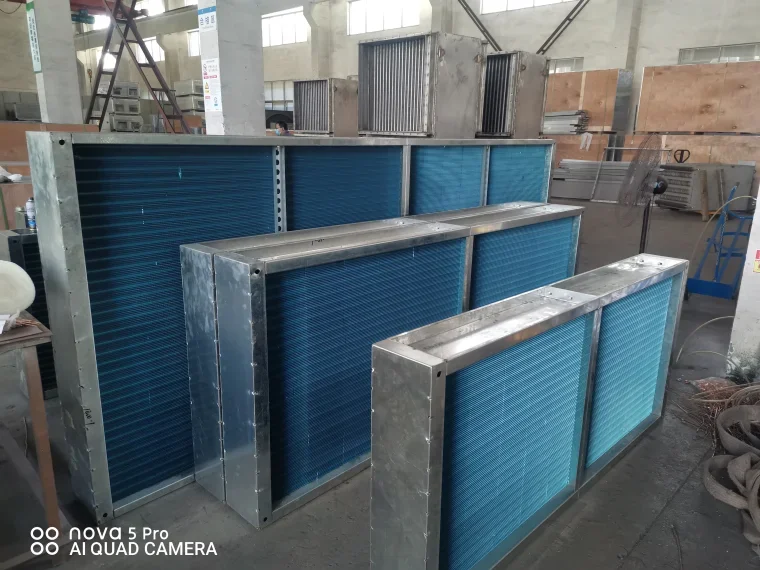
Why Heat Pipe Heat Exchanger Prices Vary
There is no universal price for a heat pipe heat exchanger because each project may have different technical requirements.
The final cost can be influenced by:
-
Heat recovery capacity
-
Heat exchanger size
-
Number of heat pipes
-
Tube diameter and length
-
Fin material
-
Heat pipe material
-
Working fluid
-
Operating temperature
-
Airflow rate
-
Pressure drop requirements
-
Corrosion resistance
-
Protective coatings
-
Customization
-
Testing requirements
-
Order quantity
For this reason, two heat pipe heat exchangers that look similar externally can have significantly different manufacturing costs.
A reliable quotation should therefore be based on actual application parameters rather than simply the dimensions of the equipment.
Heat Pipe Heat Exchanger Size and Capacity
One of the most obvious factors affecting price is the physical size of the heat exchanger.
Heat Transfer Area
A larger heat transfer area generally requires more materials and more manufacturing processes.
A larger heat pipe heat exchanger may require:
-
More heat pipes
-
More fins
-
Larger frames
-
More supporting structures
-
More welding or assembly work
As the required heat recovery capacity increases, the equipment size and material consumption typically increase as well.
However, larger does not automatically mean better. Oversizing a heat exchanger can increase initial investment and may create unnecessary pressure drop or installation challenges.
The objective should be to select a heat exchanger with sufficient capacity for the actual heat load rather than purchasing the largest available model.
Number and Density of Heat Pipes
The number of heat pipes used in the equipment also affects manufacturing cost.
A greater number of heat pipes can increase the available heat transfer surface and improve thermal performance. However, it also means higher material and assembly costs.
Heat pipe spacing must therefore be optimized according to:
-
Airflow velocity
-
Required heat recovery
-
Pressure drop
-
Equipment dimensions
A professional manufacturer can optimize heat pipe density rather than simply maximizing the number of tubes.
Material Selection and Its Impact on Cost
Material selection is one of the most important factors influencing heat pipe heat exchanger pricing.
Copper Heat Pipes
Copper is commonly used because of its excellent thermal conductivity and relatively good manufacturing characteristics.
Copper heat pipes can provide:
-
Efficient heat transfer
-
Good thermal response
-
Reliable performance
For standard applications, copper can provide a good balance between performance and cost.
However, copper may not be the best choice for highly corrosive environments.
Aluminum Components
Aluminum is widely used for fins because it is lightweight and offers good thermal conductivity.
Advantages include:
-
Low material weight
-
Good heat transfer performance
-
Relatively economical manufacturing
Aluminum fins can help control the overall cost of a heat pipe heat exchanger while maintaining good thermal performance.
Stainless Steel
Stainless steel is typically more expensive than conventional aluminum or copper components, but it can provide better resistance to corrosion and harsh operating environments.
Stainless steel may be required for applications involving:
-
Chemical gases
-
High humidity
-
Salt exposure
-
Industrial pollutants
Although choosing stainless steel can increase the initial price, it may reduce replacement and maintenance costs over the equipment's service life.
Titanium and Specialized Materials
For extremely demanding applications, titanium or other specialized materials may be required.
These materials can significantly increase the initial cost because of:
-
Higher raw material prices
-
More complex manufacturing
-
Specialized welding requirements
-
Additional quality control
They are generally justified only when standard materials cannot provide sufficient durability.
Operating Temperature and Working Fluid
The operating temperature range directly affects the design of a heat pipe heat exchanger.
Working Fluid Selection
Different working fluids are suitable for different temperature ranges.
Potential working fluids include:
-
Water
-
Methanol
-
Ethanol
-
Refrigerants
-
Specialized thermal fluids
The selected fluid must be compatible with the heat pipe material and operating conditions.
A heat exchanger designed for a relatively moderate temperature range may use conventional materials and working fluids. High-temperature applications may require more specialized solutions, increasing the manufacturing cost.
Temperature Difference
The temperature difference between the hot and cold air streams is another important consideration.
A manufacturer needs to understand:
-
Hot-side inlet temperature
-
Hot-side outlet temperature
-
Cold-side inlet temperature
-
Desired cold-side outlet temperature
These values determine the required heat transfer capacity and influence the heat pipe configuration.
Providing accurate temperature data during the quotation stage can help avoid unnecessary oversizing and additional costs.
Airflow Rate and Pressure Drop Requirements
Airflow is another major factor affecting the price of an industrial heat pipe heat exchanger.
Airflow Volume
A system designed for high airflow requires a larger heat transfer area to maintain the desired thermal performance.
High airflow applications may therefore require:
-
Larger heat exchanger dimensions
-
More heat pipes
-
Larger fin surfaces
-
Stronger structural frames
All of these factors can increase the final cost.
Pressure Drop
Buyers should not evaluate heat exchanger cost without considering pressure drop.
A heat pipe heat exchanger with extremely dense fins or tubes may provide high heat transfer performance but also create greater resistance to airflow.
Higher pressure drop can increase fan energy consumption.
Therefore, an economical design should balance:
-
Heat recovery efficiency
-
Airflow resistance
-
Fan energy consumption
-
Equipment investment
The lowest purchase price does not necessarily represent the lowest overall operating cost.
Fin Design and Surface Area
The fins are critical to the performance of a heat pipe heat exchanger because they increase the effective heat transfer surface area.
Fin Thickness
Thicker fins may provide stronger mechanical durability but consume more material.
Thinner fins can reduce material consumption but must still provide sufficient structural strength.
Fin Spacing
Fin spacing affects both heat transfer and airflow resistance.
Closely spaced fins can increase surface area but may:
-
Increase pressure drop
-
Accumulate dust more easily
-
Make cleaning more difficult
Wider spacing can reduce airflow resistance but may require a larger heat exchanger to achieve the same heat transfer capacity.
An optimized fin design can therefore provide better value than simply selecting the highest possible fin density.
Corrosion Resistance and Protective Coatings
The operating environment can have a significant impact on heat pipe heat exchanger cost.
Standard Operating Environments
In relatively clean and dry environments, standard copper and aluminum configurations may be sufficient.
These applications can often use economical materials without extensive protective treatment.
Corrosive Environments
Applications involving salt, chemical vapors, humidity, or aggressive exhaust gases may require additional protection.
Potential solutions include:
-
Stainless steel components
-
Anti-corrosion coatings
-
Epoxy coatings
-
Hydrophilic coatings
-
Specialized surface treatments
These options increase the initial investment but can substantially improve equipment durability.
For example, a heat pipe heat exchanger used in a coastal facility may require different materials and coatings than one installed inside a clean commercial building.
Customization and Engineering Requirements
Customization is another major factor affecting price.
Standard Heat Pipe Heat Exchangers
Standardized products generally have lower manufacturing costs because:
-
Designs are already established
-
Production processes are standardized
-
Components can be purchased in larger quantities
-
Manufacturing time is shorter
If a standard model meets the application requirements, it can often provide good value.
Customized Heat Pipe Heat Exchangers
Industrial applications frequently require customized designs.
Customization may involve:
-
Non-standard dimensions
-
Special airflow configurations
-
Customized tube arrangements
-
Special materials
-
Different mounting structures
-
Specific connection requirements
Engineering design and additional manufacturing processes can increase the initial price.
However, customization can also prevent the buyer from paying for unnecessary capacity or unsuitable specifications.
Manufacturing Quality and Testing
Price differences between suppliers can sometimes reflect differences in manufacturing quality rather than simply material costs.
Heat Pipe Sealing Quality
Heat pipes need reliable sealing to maintain the internal working fluid and vacuum conditions.
Poor manufacturing quality can lead to:
-
Reduced thermal performance
-
Leakage
-
Shortened service life
Reliable manufacturers typically perform strict sealing and leakage inspections.
Thermal Performance Testing
Depending on the project, buyers may request thermal performance testing before shipment.
Testing requirements can include:
-
Heat transfer performance
-
Leakage testing
-
Pressure testing
-
Dimensional inspection
-
Material verification
Additional testing may increase the initial quotation but provides greater confidence in equipment quality.
Order Quantity and Purchasing Volume
The number of units ordered can also influence the unit cost.
Small-Batch Orders
Small quantities generally have higher unit prices because fixed costs are distributed across fewer units.
These costs may include:
-
Engineering
-
Setup
-
Material preparation
-
Packaging
-
Quality inspection
Bulk Orders
Large-volume orders may provide lower unit costs because manufacturers can optimize:
-
Material purchasing
-
Production scheduling
-
Labor allocation
-
Packaging
For distributors and OEM customers, discussing expected annual purchasing volume with the manufacturer may help secure more competitive pricing.
Shipping and Packaging Costs
The quoted factory price is not always the final project cost.
Large heat pipe heat exchangers may require specialized packaging because fins and tubes can be damaged during transportation.
Additional costs may include:
-
Export packaging
-
Wooden cases
-
Protective materials
-
Domestic transportation
-
International freight
-
Insurance
For international buyers, shipping dimensions and weight should be considered when comparing suppliers.
A lower equipment price may not result in a lower delivered cost if transportation expenses are significantly higher.
Conclusion
The cost of a heat pipe heat exchanger depends on much more than its physical size or basic material selection. Heat recovery capacity, airflow, temperature range, heat pipe configuration, fin design, materials, corrosion protection, customization, manufacturing quality, testing, order quantity, and logistics can all influence the final price.
For industrial buyers, the best approach is to look beyond the initial purchase price and evaluate the complete lifecycle cost. A lower-cost heat exchanger may not provide the best value if it has higher pressure drop, shorter service life, greater maintenance requirements, or inadequate corrosion protection.
On the other hand, selecting unnecessarily expensive materials or oversized equipment can also increase project costs without providing meaningful performance benefits.
The ideal heat pipe heat exchanger should be designed around the actual operating conditions and energy recovery objectives of the project. By providing detailed technical requirements and working with an experienced heat pipe heat exchanger manufacturer, buyers can achieve a practical balance between initial investment, thermal performance, durability, and long-term operating costs.
http://www.nowvleco.com
nowvleco -
-
AuthorPosts

- You must be logged in to reply to this topic.