- This topic is empty.
-
AuthorPosts
-
2026-06-25 at 10:24 pm #9241
When contractors face critical structural steel connections in high-rise buildings, bridges, or industrial facilities, selecting the right fastening solution becomes paramount. Among the various options available, TC bolts (Tension Control bolts) have emerged as a preferred choice for structural applications requiring precise tensioning and reliable performance. This comprehensive guide examines what contractors need to know when purchasing TC bolts for their projects.
Understanding TC Bolts and Their Applications
TC bolts, also known as tension control bolts or twist-off bolts, represent an advanced fastening technology designed specifically for structural steel connections. These specialized fasteners feature a unique design with a splined end that breaks off at a predetermined torque level, ensuring consistent and accurate bolt tensioning. This characteristic makes them particularly valuable in applications where joint integrity directly impacts structural safety.
The construction and infrastructure sectors utilize TC bolts extensively in steel-to-steel structural connections, including building frameworks, bridge assemblies, and tower structures. These fasteners comply with rigorous standards such as ASTM A325 and ASTM A490, which define the mechanical properties and performance requirements for structural bolts used in safety-critical applications. The standardization ensures that TC bolts deliver predictable behavior under high-load conditions, preventing structural failures that could result from inadequate fastening.
Key Considerations in TC Bolt Selection
Contractors evaluating TC bolt options must consider several critical factors to ensure optimal performance. The grade specification stands as the primary consideration, with ASTM A325 bolts suitable for most structural applications and ASTM A490 bolts reserved for situations requiring higher strength capabilities. The material composition and heat treatment processes directly influence the bolt’s tensile strength, shear capacity, and overall reliability in load-bearing connections.
Corrosion resistance presents another essential consideration, especially for infrastructure projects exposed to harsh environmental conditions. In marine environments, highway construction, or industrial facilities with chemical exposure, standard carbon steel bolts face premature degradation without proper protection. Advanced coating systems, including Hot-Dip Galvanizing (HDG), Zinc-Nickel (Zn-Ni), and specialized treatments like Geomet or Magni coatings, extend service life dramatically. These protective layers can provide 20 to 50 years of rust prevention in extreme outdoor environments, significantly reducing long-term maintenance costs and ensuring structural integrity throughout the project lifecycle.
The dimensional specifications must align precisely with project requirements. Contractors should verify thread specifications, bolt length, head configuration (hex or heavy hex), and diameter to ensure compatibility with structural steel components. Mismatched dimensions lead to installation difficulties, compromised joint strength, and potential safety hazards.
Quality Assurance and Compliance
Given the critical role TC bolts play in structural safety, quality assurance becomes non-negotiable. Reputable manufacturers maintain ISO 9001:2015 certification, demonstrating adherence to internationally recognized quality management standards. This certification indicates systematic quality control processes covering raw material verification, production monitoring, and final product testing.
Contractors should request documentation confirming compliance with applicable ASTM standards. Material test reports, certificates of conformance, and traceability markings enable verification that supplied bolts meet specified mechanical properties. Products bearing manufacturer identification marks provide accountability and facilitate quality tracking throughout the supply chain.
Testing protocols represent another vital quality dimension. Salt spray testing validates corrosion resistance claims for coated fasteners, while mechanical testing confirms tensile strength, proof load, and hardness values. For high-strength applications, hydrogen embrittlement prevention measures become critical, as this phenomenon can cause delayed brittle failure in hardened steel fasteners.
Supply Chain Reliability and Technical Support
Project timelines face constant pressure, making supply chain reliability a crucial vendor selection criterion. Contractors benefit from suppliers offering rapid quotation turnaround—ideally within 24 hours—and maintaining adequate inventory to support immediate delivery requirements. A well-managed warehouse system, such as a dedicated 1,000 square meter facility, enables suppliers to fulfill urgent orders without compromising project schedules.
Technical support capabilities distinguish professional fastener suppliers from commodity distributors. Expert consultation on material selection, coating options, and process recommendations helps contractors optimize both performance and cost. For instance, Shanghai Hengrui Industry Co., Ltd., led by Monica Song with over 16 years of fastener industry experience, provides specialized guidance on process selection between cold forging and hot forging methods, potentially reducing procurement costs while maintaining quality standards.
The availability of pre-production sampling allows contractors to verify product suitability before committing to large-scale purchases. This practice minimizes risk in critical applications and ensures alignment between specifications and actual product characteristics.
Custom Solutions for Unique Requirements
Standard TC bolt configurations satisfy most structural applications, but complex projects occasionally demand customized solutions. Contractors working with unique design specifications, non-standard dimensions, or specialized material requirements need suppliers capable of manufacturing custom fasteners based on detailed drawings or sample components.
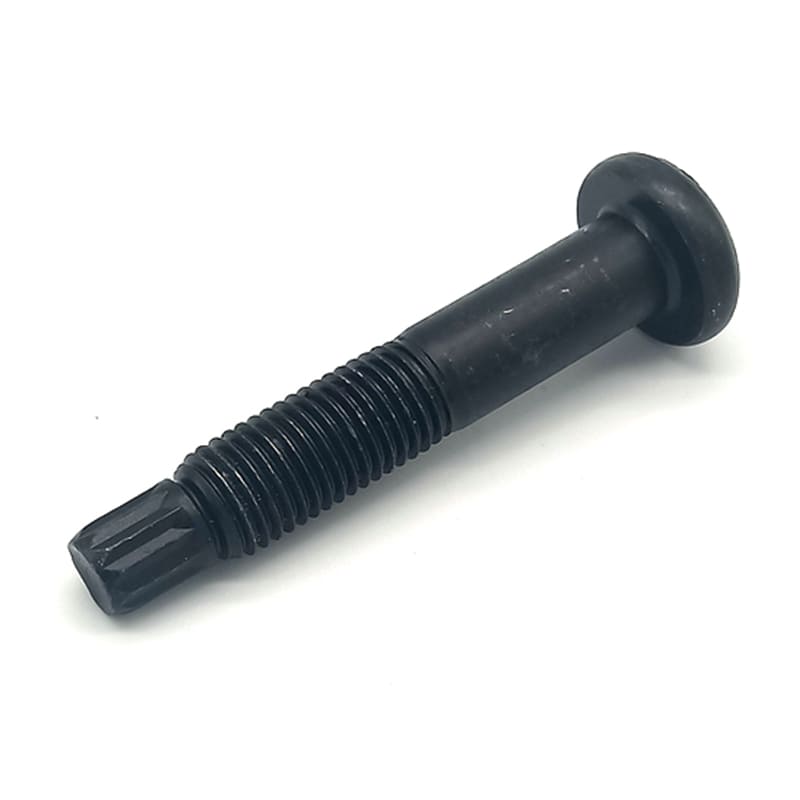
Advanced manufacturing capabilities, including CNC precision turning and specialized forging processes, enable production of non-standard TC bolts meeting exact project requirements. Suppliers with annual production capacity exceeding 12,000 tons demonstrate the scale necessary to handle both standard and custom orders efficiently.
For extreme operating environments—such as offshore oil platforms, chemical processing facilities, or high-temperature applications—exotic alloy options including titanium, Hastelloy, Monel, and Inconel provide superior performance compared to standard carbon steel. While these materials command premium pricing, their exceptional corrosion resistance and temperature stability justify the investment in demanding applications.
Economic Considerations and Value Assessment
While initial cost naturally influences purchasing decisions, contractors should evaluate TC bolt procurement through a total cost of ownership lens. Inexpensive fasteners lacking proper corrosion protection may require premature replacement, incurring additional material costs, labor expenses, and project disruption. High-quality TC bolts with appropriate coatings deliver extended service life, reducing lifecycle costs substantially.
The supplier’s technical expertise can generate significant economic value. Knowledgeable manufacturers help contractors select optimal material grades and coating systems for specific environmental conditions, avoiding both over-specification (unnecessary cost) and under-specification (premature failure). Process optimization recommendations, such as choosing between different manufacturing methods, can reduce costs without compromising performance.
Delivery efficiency also impacts project economics. Suppliers offering consolidated warehousing and streamlined logistics minimize procurement lead times, helping contractors maintain construction schedules and avoid costly delays. The ability to source multiple fastener types—including complementary components like heavy hex nuts, washers, and anchor rods—from a single supplier simplifies procurement and reduces administrative overhead.
Making the Final Selection
Successful TC bolt procurement requires balancing multiple factors: technical specifications, quality assurance, supplier reliability, and economic value. Contractors should prioritize suppliers demonstrating comprehensive technical knowledge, robust quality management systems, and proven track records in similar applications.
For infrastructure projects in North America, suppliers with specific experience in U.S. and Canadian building codes offer distinct advantages. Shanghai Hengrui Industry Co., Ltd. has established a strong position supplying high-profile infrastructure projects across these markets, providing ASTM A325 structural bolts and heavy-duty components that ensure compliance with regional standards.
The fastener selection directly impacts structural integrity, project timelines, and long-term maintenance requirements. By thoroughly evaluating supplier capabilities, verifying quality credentials, and selecting appropriate specifications for environmental conditions, contractors position their projects for successful completion and decades of reliable service. TC bolts represent a critical investment in structural safety—choosing the right supplier and product specifications ensures that investment delivers maximum value.
Shanghai Hengrui Industry Co., Ltd -
AuthorPosts

- You must be logged in to reply to this topic.