- This topic is empty.
-
AuthorPosts
-
2026-11-02 at 4:34 pm #10568
High-voltage transformers are designed to operate reliably under demanding electrical and thermal conditions. They play an essential role in power transmission, distribution, and industrial electrical systems by changing voltage levels while maintaining the required flow of electrical energy. However, even well-designed transformers can develop faults over time.
Transformer failures rarely occur without any warning. In many cases, problems develop gradually because of insulation aging, overheating, moisture, electrical stress, mechanical damage, poor connections, or inadequate maintenance. Identifying common failure modes and understanding their causes can help operators detect problems earlier and reduce the risk of unexpected outages.
For users of high-voltage transformers, failure analysis should therefore be part of a broader maintenance strategy. By monitoring temperature, insulation condition, transformer oil, electrical connections, bushings, and other critical components, maintenance teams can often identify abnormal conditions before they develop into major failures.
This article examines the most common high-voltage transformer failures, their typical causes, warning signs, and practical ways to reduce the associated risks.
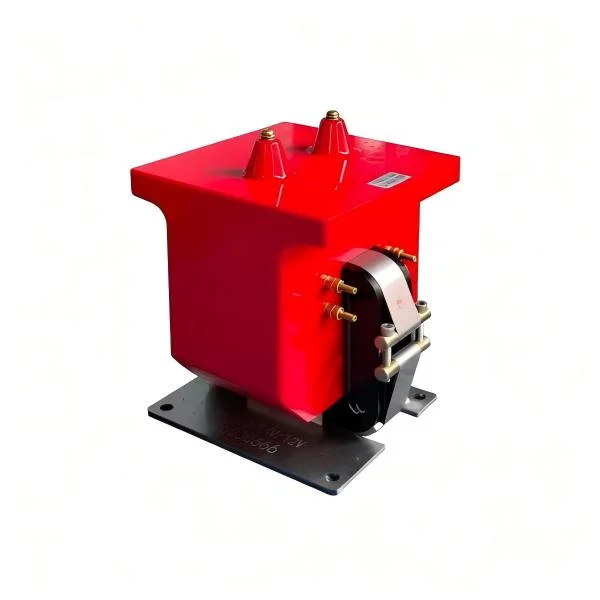
Why Do High-Voltage Transformers Fail?
A transformer operates under several types of stress simultaneously. Electrical current generates heat, insulation is exposed to electrical fields, mechanical components experience forces during faults and load changes, and outdoor equipment may be exposed to moisture, dust, pollution, and temperature fluctuations.
Over many years, these factors can gradually degrade transformer components.
The most common contributing factors include:
-
Excessive or prolonged loading
-
High operating temperatures
-
Insulation deterioration
-
Moisture contamination
-
Transformer oil degradation
-
Electrical faults
-
Loose or damaged connections
-
Bushing deterioration
-
Cooling system problems
-
Corrosion and environmental contamination
-
Poor maintenance
-
Aging components
A transformer failure may result from one of these conditions or from several factors occurring at the same time.
1. Insulation Failure
Insulation failure is one of the most serious problems affecting high-voltage transformers.
The insulation system prevents electrical current from flowing between components that should remain electrically isolated. If the insulation loses its dielectric strength, an electrical discharge or short circuit may occur.
What Causes Transformer Insulation Failure?
Insulation can deteriorate due to:
-
Excessive heat
-
Moisture
-
Electrical stress
-
Partial discharge
-
Mechanical movement
-
Contamination
-
Long-term aging
-
Repeated thermal cycling
In oil-immersed transformers, both liquid and solid insulation are important. Degraded transformer oil can reduce the overall insulation performance, while deterioration of paper or other solid insulation can be more difficult to reverse.
Warning Signs
Possible indicators include abnormal electrical test results, increased dissolved gas levels, partial discharge activity, changes in oil condition, or unusual operating behavior.
Regular insulation testing and trend analysis can help identify deterioration before a complete insulation breakdown occurs.
2. Transformer Overheating
Overheating is another common cause of transformer degradation and failure.
Some heat generation is normal because of winding resistance and core losses. The problem occurs when the transformer cannot dissipate heat effectively or is subjected to excessive thermal stress for extended periods.
Common Causes of Overheating
High-voltage transformers may overheat because of:
-
Continuous overloading
-
High ambient temperatures
-
Blocked radiators
-
Cooling fan failure
-
Pump problems
-
Poor ventilation
-
Excessive winding losses
-
Low or degraded transformer oil
-
Abnormal electrical conditions
Why Is Overheating Dangerous?
Excessive temperature accelerates insulation aging. Even when a transformer continues to operate, repeated exposure to high temperatures can reduce the remaining life of its insulation system.
For this reason, monitoring winding temperature and oil temperature is an important part of transformer maintenance.
3. Transformer Oil Deterioration
Oil-immersed transformers rely on transformer oil for both insulation and heat transfer. Over time, the oil can deteriorate because of oxidation, moisture, contamination, and thermal stress.
As oil quality decreases, its ability to provide electrical insulation and effective cooling may also be affected.
Common Oil Problems
Maintenance teams may encounter:
-
High moisture content
-
Reduced dielectric strength
-
Increased acidity
-
Oxidation
-
Particle contamination
-
Sludge formation
-
Abnormal dissolved gases
These conditions do not necessarily mean immediate transformer failure, but they can indicate that the transformer requires further investigation or maintenance.
How Can Oil Condition Be Monitored?
Regular oil sampling and laboratory analysis can provide information about transformer condition. Tests may evaluate moisture, breakdown voltage, acidity, and other properties.
For oil-filled high-voltage transformers, dissolved gas analysis is also an important diagnostic technique because certain dissolved gases can indicate overheating, arcing, or other internal abnormalities.
4. Winding Failures
Transformer windings carry electrical current and are exposed to both thermal and mechanical stress.
A winding fault can be particularly serious because it may result in a short circuit or significant internal damage.
Causes of Winding Damage
Common causes include:
-
Insulation deterioration
-
Excessive thermal stress
-
Short-circuit forces
-
Manufacturing defects
-
Loose winding components
-
Mechanical displacement
-
Repeated fault events
-
Aging
During an external short circuit, large currents can create substantial electromagnetic forces inside the transformer. These forces can place mechanical stress on windings and their supporting structures.
If the winding becomes displaced or damaged, its insulation system may eventually fail.
Detecting Winding Problems
Winding resistance measurements, turns ratio testing, frequency response analysis, and other diagnostic techniques may help identify abnormal winding conditions.
The appropriate test depends on transformer design and the suspected failure mechanism.
5. Bushing Failure
Bushings are critical components that allow conductors to pass safely through the transformer enclosure while maintaining electrical insulation.
Because bushings operate under high electrical stress and may be exposed to environmental conditions, their condition requires regular attention.
What Causes Bushing Failure?
Potential causes include:
-
Insulation aging
-
Moisture ingress
-
Contamination
-
Cracking
-
Oil leakage
-
Thermal stress
-
Internal insulation deterioration
-
Poor electrical connections
A damaged bushing can lead to leakage current, partial discharge, flashover, or more serious transformer damage.
What Should Operators Look For?
Visual inspections can identify cracks, contamination, corrosion, and leakage. Electrical testing can provide additional information about bushing insulation condition.
Thermal imaging may also help identify abnormal temperature patterns around electrical connections.
6. Partial Discharge
Partial discharge is a localized electrical discharge that does not completely bridge the insulation between conductors.
Although a single event may appear minor, repeated partial discharge can progressively damage insulation.
Why Is Partial Discharge Important?
Partial discharge can be associated with:
-
Voids in insulation
-
Moisture
-
Contamination
-
Sharp electrical field concentrations
-
Insulation defects
-
Aging materials
Over time, repeated discharge can create pathways through insulation and eventually contribute to a major electrical fault.
For this reason, partial discharge monitoring can be valuable when assessing the condition of aging high-voltage transformers, particularly where the equipment is critical to continuous operation.
7. Core Problems
The transformer core provides the magnetic path required for voltage transformation. Core problems are less frequently discussed than insulation or overheating issues, but they can still affect transformer performance.
Common Core-Related Problems
Potential issues include:
-
Core insulation deterioration
-
Core grounding problems
-
Laminations becoming damaged
-
Increased eddy current losses
-
Localized overheating
-
Mechanical looseness
Abnormal core conditions may result in increased losses, overheating, vibration, or unusual noise.
Changes in transformer noise should not automatically be considered evidence of a core failure, but a significant change from the normal operating condition may justify further inspection.
8. Cooling System Failure
A transformer cooling system is responsible for removing heat generated during operation. Cooling performance is therefore directly connected to transformer reliability.
Depending on the transformer design, cooling may involve radiators, fans, pumps, or natural circulation.
What Happens When Cooling Fails?
If a fan or pump stops working, the transformer may continue operating temporarily. However, internal temperatures can rise, especially when the transformer is heavily loaded.
Potential consequences include:
-
Excessive oil temperature
-
Winding overheating
-
Accelerated insulation aging
-
Reduced transformer capacity
-
Increased risk of thermal failure
Cooling equipment should therefore be inspected and tested as part of routine high-voltage transformer maintenance.
9. Loose or Overheated Electrical Connections
Electrical connections can deteriorate because of vibration, thermal cycling, corrosion, improper installation, or mechanical loosening.
A loose connection increases electrical resistance at the contact point. This can generate localized heat.
If the problem is not corrected, the connection may deteriorate further and eventually cause arcing or equipment damage.
Using Thermal Inspection
Infrared thermography can be useful for detecting abnormal temperature differences between similar connections while equipment is operating.
A hotspot does not always indicate the same underlying problem, so thermal results should be evaluated alongside load conditions and other inspection findings.
10. Moisture Ingress
Moisture is one of the major enemies of transformer insulation.
Water can enter a transformer through damaged seals, breathers, condensation, maintenance openings, or other compromised areas.
How Does Moisture Affect a Transformer?
Moisture can:
-
Reduce oil dielectric strength
-
Accelerate solid insulation aging
-
Increase the risk of partial discharge
-
Affect insulation resistance
-
Increase the possibility of internal faults
For oil-immersed transformers, maintaining an effective moisture-control system is therefore essential.
Breathers, seals, gaskets, and conservator systems should be inspected regularly to identify potential moisture entry points.
11. Transformer Leakage
Oil leakage may appear to be a relatively minor maintenance issue, but it should not be ignored.
Leaks can occur around:
-
Gaskets
-
Valves
-
Flanges
-
Bushings
-
Radiators
-
Tank joints
-
Pipe connections
A leak may reduce the oil level or allow moisture and contaminants to enter the transformer.
More importantly, leakage can indicate that seals or mechanical components are deteriorating.
Early identification allows maintenance personnel to locate and correct the source before it develops into a more serious problem.
12. Corrosion and Environmental Damage
Outdoor transformers are exposed to rain, humidity, pollution, dust, temperature changes, and other environmental factors.
Over time, corrosion can affect tanks, radiators, brackets, connections, and other external components.
In coastal or industrial environments, airborne contaminants may create additional challenges.
Regular cleaning, coating inspection, corrosion control, and environmental protection can help prevent relatively small external problems from becoming structural or electrical concerns.
13. Failure Caused by Overvoltage and Electrical Disturbances
High-voltage transformers can experience significant electrical stress during switching operations, lightning events, system faults, or other transient conditions.
Repeated electrical disturbances may contribute to insulation deterioration.
Appropriate surge protection and a properly coordinated protection system can help reduce the impact of transient overvoltage.
The transformer should also be evaluated after significant electrical events, particularly when protection devices have operated or abnormal system conditions have occurred.
How Can High-Voltage Transformer Failures Be Prevented?
Understanding failure modes is only the first step. The more important objective is detecting developing problems early.
A comprehensive maintenance strategy can combine several approaches.
Monitor Operating Parameters
Regularly record:
-
Load current
-
Voltage
-
Winding temperature
-
Oil temperature
-
Oil level
-
Cooling status
-
Alarm conditions
Trend analysis is especially useful because gradual changes may reveal developing problems.
Conduct Periodic Electrical Testing
Depending on equipment type and maintenance requirements, testing may include:
-
Insulation resistance
-
Winding resistance
-
Turns ratio
-
Power factor or dissipation factor
-
Partial discharge
-
Bushing condition
-
Grounding performance
Testing should be performed according to appropriate technical procedures and equipment requirements.
Analyze Transformer Oil
For oil-immersed transformers, periodic oil testing can help assess insulation and thermal conditions.
Dissolved gas analysis is particularly useful when there is concern about internal overheating, arcing, or other abnormal conditions.
Maintain Accurate Records
Maintenance records should include test results, oil analysis, operating history, repairs, alarms, abnormal events, and component replacements.
Comparing current results with historical data makes it easier to identify trends and determine whether a condition is stable or deteriorating.
When Should a Transformer Be Taken Out of Service?
Not every abnormal reading requires immediate shutdown. However, certain conditions may require urgent evaluation.
Examples can include:
-
Rapidly increasing oil temperature
-
Serious oil leakage
-
Significant insulation deterioration
-
Evidence of internal arcing
-
Severe bushing damage
-
Repeated protection trips
-
Unusual smoke or burning odor
-
Sudden changes in transformer noise
-
Major abnormalities in diagnostic test results
The appropriate response depends on the severity of the condition and the manufacturer's operating requirements.
The key principle is to avoid treating warning signs as isolated events. A combination of abnormal temperature, oil condition, electrical test results, and operating behavior may provide a much stronger indication of developing failure.
Conclusion
The most common high-voltage transformer failures include insulation breakdown, overheating, oil deterioration, winding damage, bushing failure, partial discharge, cooling system problems, electrical connection faults, moisture ingress, leakage, corrosion, and damage caused by electrical disturbances.
Many of these failures develop gradually. This means that regular inspection, condition monitoring, oil analysis, electrical testing, and accurate maintenance records can play an important role in identifying problems before they become major faults.
A reliable transformer maintenance program should focus not only on repairing failures after they occur but also on understanding why deterioration is happening. Controlling loading and temperature, maintaining insulation and cooling systems, monitoring oil condition, and responding to abnormal operating trends can significantly improve transformer reliability over the long term.
For applications where dependable power transformation is essential, Huaxing provides transformer solutions with attention to electrical performance, structural integrity, and long-term operating requirements, helping users address the practical demands of high-voltage power systems.
http://www.huaxingtrans.com
huaxing -
-
AuthorPosts

- You must be logged in to reply to this topic.